Choosing an Oil Filter Supplier for Garages
One bad filter choice can cost a garage more than the margin on a dozen oil changes. Comebacks, fitment mistakes, delayed deliveries, and inconsistent quality all hit the same place – your schedule, your reputation, and your bottom line. That is why choosing the right oil filter supplier for garages is not a small purchasing decision. It is an operational decision.
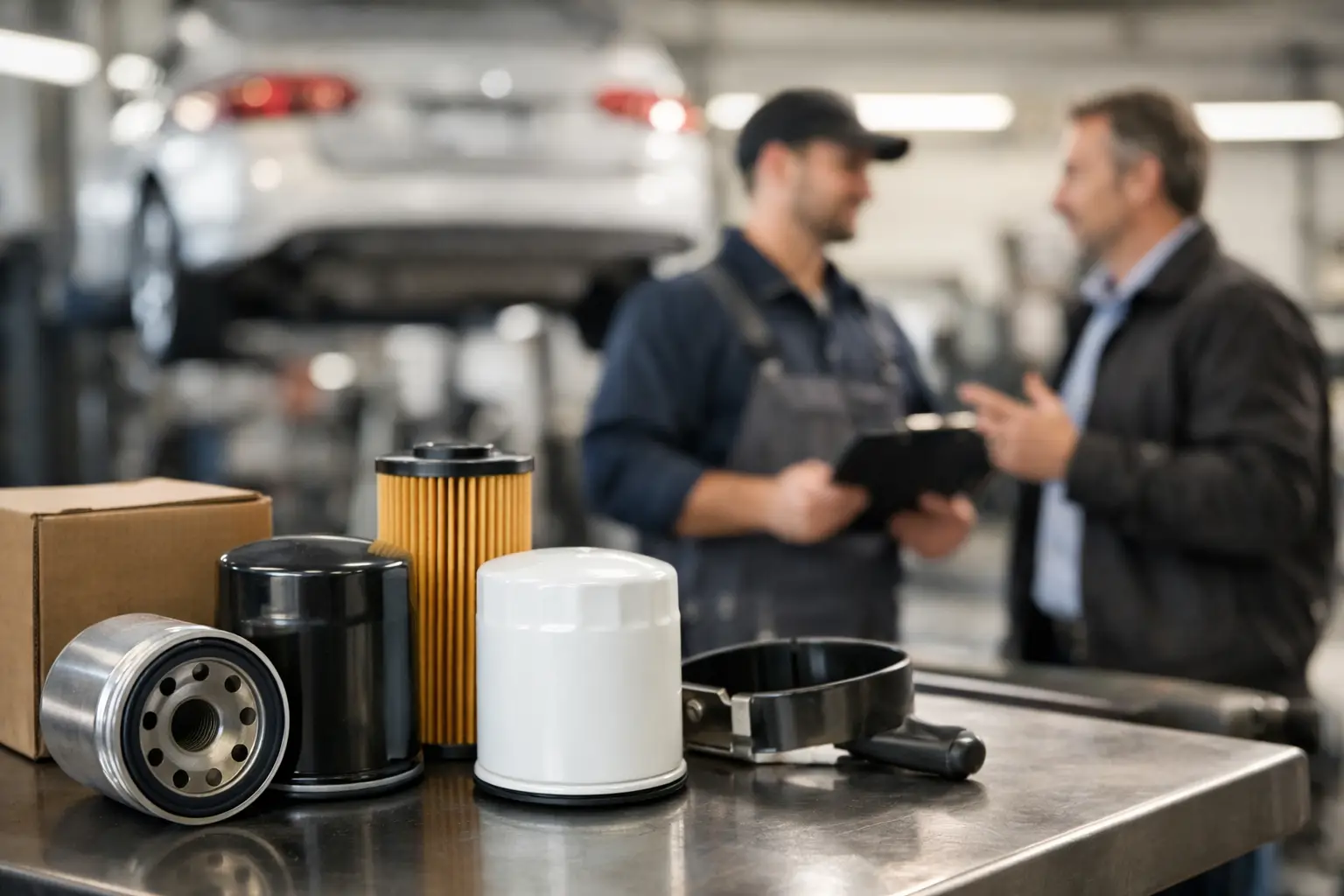
A lot of shops start by looking at price per unit. That matters, but it is rarely the full story. The cheaper filter that creates confusion at the parts counter, shows up late, or does not cover the mix of vehicles you service can become the expensive option fast. Garages need supply partners that help keep cars moving through the bay, support technician confidence, and protect customer trust.
What garages actually need from an oil filter supplier
Most garages are not looking for a catalog with endless part numbers and no guidance. They need coverage across common applications, reliable stock, and straightforward ordering. They also need confidence that the filter installed today will perform the way the customer expects between service intervals.
That gets more important as service mixes get wider. One day your shop is servicing late-model gasoline sedans. The next day it is a diesel pickup, a European vehicle with tighter specifications, or a commercial unit that runs hard and racks up hours fast. A useful supplier understands that garages do not work in neat categories. They work on what rolls in.
A strong supplier also helps reduce friction behind the scenes. That includes cleaner fitment support, fewer substitutions, and product lines that make sense alongside the oils, fluids, and maintenance products your shop already uses. If your purchasing team has to juggle multiple vendors to cover basic service work, that inefficiency adds up.
How to evaluate an oil filter supplier for garages
The right evaluation starts with fit, not just cost. Ask how well the supplier matches your real business model. A quick lube center has different needs than a repair shop with mixed light-duty and diesel work. A fleet-focused garage needs a different level of consistency than a small independent shop handling retail traffic.
Coverage is first. You want a supplier that can support the vehicle types you see most often without creating constant exceptions. Good coverage does not mean every obscure application is always on the shelf. It means your high-volume work is easy to support, and less common jobs do not turn into a scramble.
Quality is next. This is where many shops get trapped by short-term thinking. An oil filter is not just a commodity item if your reputation is attached to the service. Media quality, construction, bypass valve performance, anti-drainback reliability, and application accuracy all matter. Customers may never ask about those details, but they absolutely notice when a vehicle comes back with problems.
Then look at supply reliability. A supplier who offers attractive pricing but cannot maintain availability is creating downtime by another name. The value of steady inventory is hard to measure until you lose a bay waiting on a part, disappoint a regular customer, or send a tech to chase alternatives.
Support matters too. Not every shop needs heavy technical hand-holding, but every shop benefits from faster answers when fitment, service intervals, or application questions come up. The best suppliers do more than ship boxes. They help reduce uncertainty.
Price matters, but margin is bigger than unit cost
A garage can save a little on a filter and still lose money on the job. This is where experienced operators separate purchase price from job profitability. If a supplier helps you avoid mistakes, control inventory, and move vehicles through the shop faster, that supplier is contributing to margin in a way the invoice alone will not show.
Think about labor efficiency. Think about less dead time at the counter. Think about fewer warranty issues and fewer awkward calls to customers. Those gains are real, even if they do not appear as a line item next to the filter price.
There is also the customer side of the equation. Many vehicle owners are keeping vehicles longer and expecting more from maintenance. Fleet customers are even more focused on uptime and operating cost. If your shop installs better filtration products and can support that recommendation with confidence, it becomes easier to justify premium service packages and protect your margins.
Why product quality affects garage reputation
Shops earn repeat business one service visit at a time. A customer may not compare filter construction specs, but they do judge whether your recommendations feel dependable. They judge whether their vehicle runs right. They judge whether they trust you to make smart choices on their behalf.
That is why quality filtration belongs in the same conversation as quality lubricants. Better oil can only do its job if the filtration side of the service is handled properly. For garages that service hard-working vehicles, severe-duty applications, or customers who expect extended performance from premium lubricants, the pairing matters even more.
This is where specialized suppliers stand apart from generic parts sources. A supplier focused on lubrication and filtration is more likely to understand how the filter fits into the full maintenance picture. That includes service interval considerations, operating conditions, and matching filtration performance to premium synthetic oil programs.
Supply consistency is a competitive advantage
When a shop has dependable access to filters, oil, and related maintenance products from a single source, daily operations get simpler. Purchasing gets cleaner. Inventory decisions get easier. Technicians spend less time waiting. Service writers can quote jobs with more confidence.
That consistency becomes even more valuable for garages handling fleets, contractor vehicles, diesel pickups, or off-road equipment. These customers do not just want a service provider. They want a shop that helps reduce downtime and keeps equipment available for work.
An inconsistent supplier puts your shop in reactive mode. You start substituting products, splitting orders, or carrying extra inventory just to protect against shortages. All of that ties up time and cash. A reliable supplier helps you stay lean without feeling exposed.
The advantage of working with a specialized supplier
General parts distributors have their place, especially for broad emergency coverage. But garages that want stronger maintenance programs often benefit from a specialized supplier that understands filters as part of a larger performance system.
That matters if your business serves mixed applications across automotive, diesel, powersports, commercial, or heavy-duty equipment. It also matters if your shop is trying to position itself around quality rather than racing to the bottom on price.
A specialized supplier can often support more than a single SKU order. They can help align oil, filter, additive, and service product choices so the shop is not piecing together maintenance strategy from disconnected vendors. For garages building business accounts, fleet relationships, or premium service menus, that kind of alignment supports both performance and profitability.
For example, a supplier like Oil Jobber fits this model because the business is built around premium lubrication and filtration supply, not just one-off parts transactions. That difference matters when your shop needs product depth, commercial account support, and dependable access across multiple service categories.
Questions worth asking before you commit
Before you move volume to any oil filter supplier for garages, ask practical questions that reflect how your shop actually runs. What are fill rates on your top applications? How are backorders handled? Can the supplier support both standard retail service work and heavier commercial demand? Is there technical support when fitment or product selection gets complicated?
Also ask how well the supplier supports growth. If you add fleet work, expand into diesel service, or increase premium oil change packages, will the supplier still fit your model six months from now? A good supplier should help your operation scale, not force you to rebuild purchasing every time the business evolves.
It is also fair to ask about account structure, volume purchasing, and whether there are ways to improve margins as your business grows. The right relationship should become more valuable over time.
A better supplier helps the whole shop run better
Garages do not win by saving pennies on a part that creates dollars of hassle later. They win by building systems that support speed, quality, and trust. Your filter supplier is part of that system.
If you are evaluating options, look beyond the shelf price. Look at product quality, application coverage, supply consistency, technical support, and how well the supplier fits the kind of work your shop wants to do more of. A dependable supplier helps protect engines, but just as important, it helps protect your schedule, your margins, and your reputation.
The best time to upgrade your supplier is before shortages, fitment issues, or comeback jobs force the decision for you.