Marine Engine Oil Synthetic: What to Know
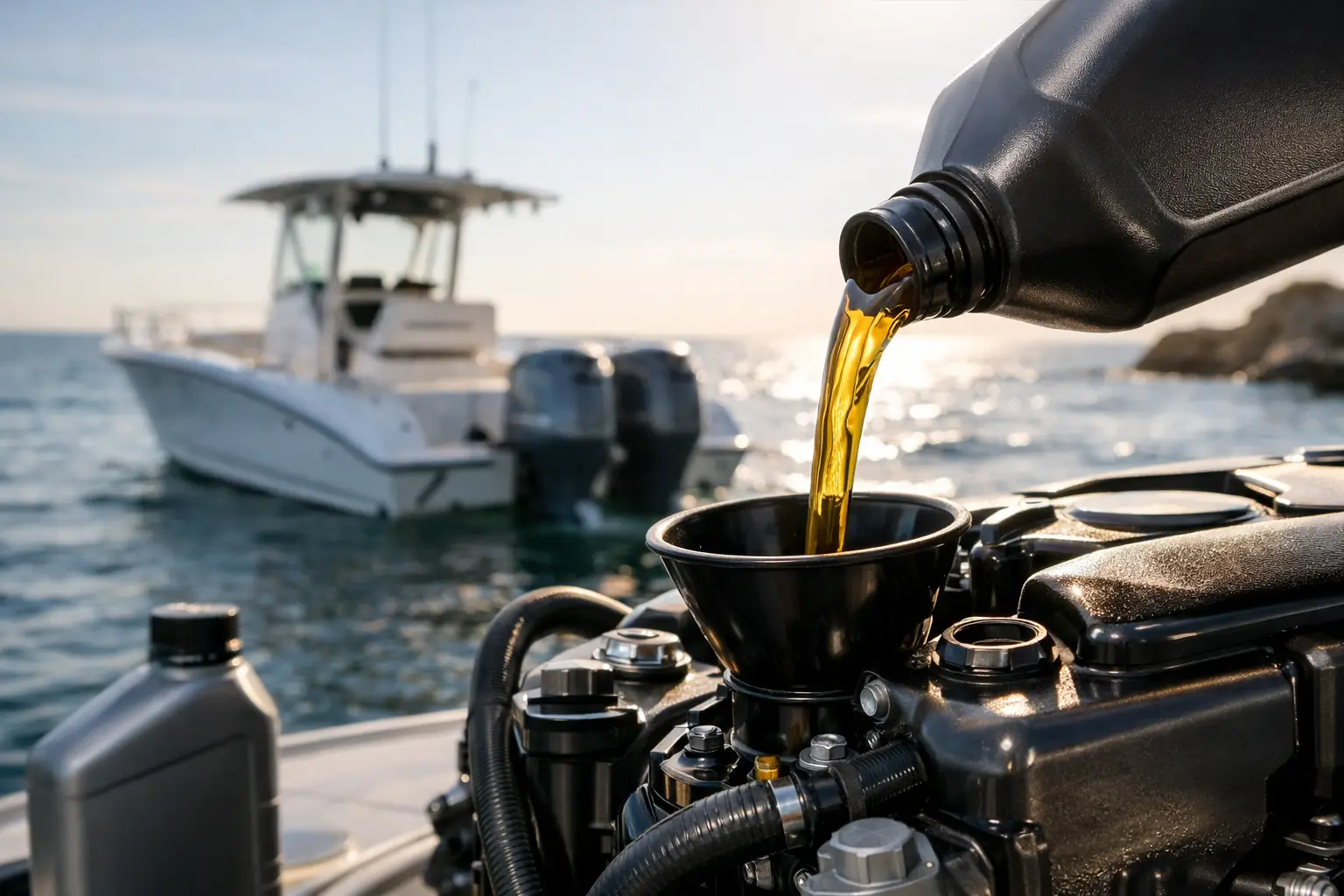
A marine engine does not get easy miles. It works under steady load, sees long periods at operating temperature, deals with moisture, and often sits between uses. That is exactly why marine engine oil synthetic options get so much attention from serious boat owners, marinas, and commercial operators. The right oil can help control wear, resist oxidation, and protect against the kind of stress that shortens engine life and creates expensive downtime.
Why marine engines ask more from oil
A truck or passenger vehicle spends plenty of time changing speed and load. A boat engine often does the opposite. It can run hard for extended stretches, especially when pushing a heavy hull, towing, or dealing with rough water. That steady demand puts pressure on the oil film and raises the stakes on heat control.
Marine environments add another problem – moisture. Even when water never enters the crankcase directly, humidity, temperature swings, and long storage periods can all work against lubricant stability. Corrosion protection matters more on the water than many first-time boat owners expect.
Then there is the issue of seasonal use. Some engines sit for weeks or months. Others are used heavily during a short season and then winterized. In both cases, oil has to protect not just during operation but also during downtime. That changes the conversation from simply lubricating parts to preserving the engine between outings.
What marine engine oil synthetic does better
Synthetic oil is not magic, and it is not automatically the right answer for every engine. But in marine applications, it often brings meaningful advantages because the operating conditions are severe and consistent.
The first advantage is thermal stability. Synthetic formulations generally hold up better under high heat, which helps reduce oxidation and sludge formation. In a marine engine that spends a lot of time under load, that can translate into cleaner internals and more consistent protection over the service interval.
The second is film strength and wear control. A quality synthetic oil is designed to maintain protection when engines are working hard and oil temperatures climb. That matters for bearings, cam surfaces, pistons, and valvetrain components that do not get a break when the throttle stays up.
Cold-start performance also deserves more attention than it usually gets. Boat owners tend to focus on summer use, but spring starts and cool-weather operation can still challenge oil flow. Synthetic oil typically pumps faster at lower temperatures, which helps reduce startup wear.
There is also the practical side. Better oxidation resistance and deposit control can support longer engine cleanliness and more dependable performance. For operators trying to reduce maintenance headaches, that is not a minor benefit.
It still depends on the engine
This is where buyers can get tripped up. Marine engine oil synthetic is a category, not a single answer. The correct product depends on whether you are dealing with a 2-stroke or 4-stroke engine, an inboard or outboard setup, gasoline or diesel fuel, and the manufacturer specifications tied to that engine.
A modern 4-stroke outboard has different lubrication needs than an inboard marine gasoline engine. A high-output marine diesel has different demands again, especially when long hours and commercial duty are involved. Viscosity grade, additive package, and approvals matter.
If the engine manufacturer requires a specific viscosity or marine performance standard, that needs to lead the decision. The idea that any premium synthetic oil will do the job is one of the costliest shortcuts in marine maintenance. Good oil protects engines. Wrong oil creates avoidable risk.
Marine-specific additives matter
Not all synthetic oils are built the same, even when the viscosity looks right on paper. Marine applications often call for stronger rust and corrosion protection because of the environment. They also benefit from additives that help manage deposits, foam, and shear under sustained load.
Foam resistance is especially relevant in marine engines because oil aeration reduces the lubricant’s ability to protect moving parts. If oil picks up excess air, the film can weaken right when the engine is under heavy demand. That is one reason marine-formulated oils are worth the attention instead of defaulting to general automotive products.
Corrosion control is another area where the difference shows up over time, not always immediately. A boat that runs fine today can still suffer from internal rust or acid-related wear if the oil is not designed for the environment and use pattern.
When synthetic is worth the higher price
The price conversation is fair. Synthetic marine oil usually costs more upfront than conventional oil. For some light-use owners, that is enough to pause. But the better comparison is not bottle to bottle. It is oil cost versus engine cost, downtime cost, and maintenance frequency.
If your boat sees heavy seasonal use, extended high-rpm operation, towing, commercial duty, or harsh storage conditions, synthetic often earns its keep quickly. Better deposit control, stronger wear protection, and improved resistance to thermal breakdown can help reduce the chance of expensive repairs later.
That does not mean every casual boater must switch immediately. If an engine is older, lightly used, and maintained carefully with the correct approved conventional oil, the benefits may be less dramatic. But for operators who depend on uptime and want less compromise under load, premium synthetic is often the smarter business decision.
How to choose the right marine engine oil synthetic
Start with the owner’s manual. That is not glamorous advice, but it is the right one. Check the required viscosity grade, service category, and any manufacturer-specific marine recommendations. If the manual specifies FC-W, NMMA-related standards, or a particular diesel category, those are non-negotiable.
Next, look at how the engine is actually used. A fishing boat that idles and trolls has a different profile than a high-performance runabout or a commercial vessel putting in long hours. Severe service calls for more than minimum compliance. It calls for margin.
Then consider climate and storage. Boats used in hot southern conditions, coastal humidity, or intermittent seasonal operation place extra demands on oil. Oxidation resistance and corrosion protection become more important in those situations.
Finally, buy from a supplier that understands application fit, not just product listings. Technical guidance matters when you are matching oil to engine type, load profile, and maintenance goals. That is especially true for shops, marinas, and fleet buyers who cannot afford misapplication across multiple units.
Common mistakes that cost boat owners money
One common mistake is assuming automotive synthetic oil is close enough. Sometimes the viscosity overlaps, but that does not guarantee the additive package is right for marine service. Water exposure, corrosion risk, and sustained load change what the oil needs to do.
Another is mixing service philosophies. Owners may invest in premium filters, fuel treatment, and winterization, then cut corners on oil selection. That does not pencil out. The lubricant is one of the cheapest forms of protection in the engine.
A third mistake is stretching intervals without evidence. Synthetic oil can provide stronger performance, but that does not mean ignoring manufacturer guidance or actual operating conditions. Hours, fuel dilution, contaminants, and engine design still matter. Longer life is possible in the right setup, but it should be supported by the application, not assumed.
Why this matters for commercial operators and volume buyers
For individual boat owners, a lubrication mistake is frustrating. For marinas, service centers, guide operations, and commercial marine fleets, it turns into lost revenue fast. One engine down can mean canceled jobs, delayed service, and extra labor that was never in the budget.
That is why synthetic marine lubrication is often less about premium branding and more about predictable operation. Better engine cleanliness, stronger wear control, and consistent performance under load support the kind of maintenance planning that keeps equipment available.
For businesses buying in volume, supply consistency matters too. Product quality is only half the equation. The other half is getting the right oil, in the right package sizes, with technical support behind the purchase. That is where working with a specialized supplier can make a measurable difference.
Oil Jobber serves customers who need that level of confidence, especially when synthetic performance and dependable supply both matter to the job.
The real question is not synthetic or conventional
The real question is whether your oil matches the engine, the duty cycle, and the cost of failure. In many marine applications, synthetic gives you a stronger margin of protection where heat, moisture, and steady load put oil to work fast. If your boat or marine operation cannot afford shortcuts, choosing the right lubricant is one of the simplest ways to protect uptime before the season starts.