
Fuel Additives: When They Pay for Themselves
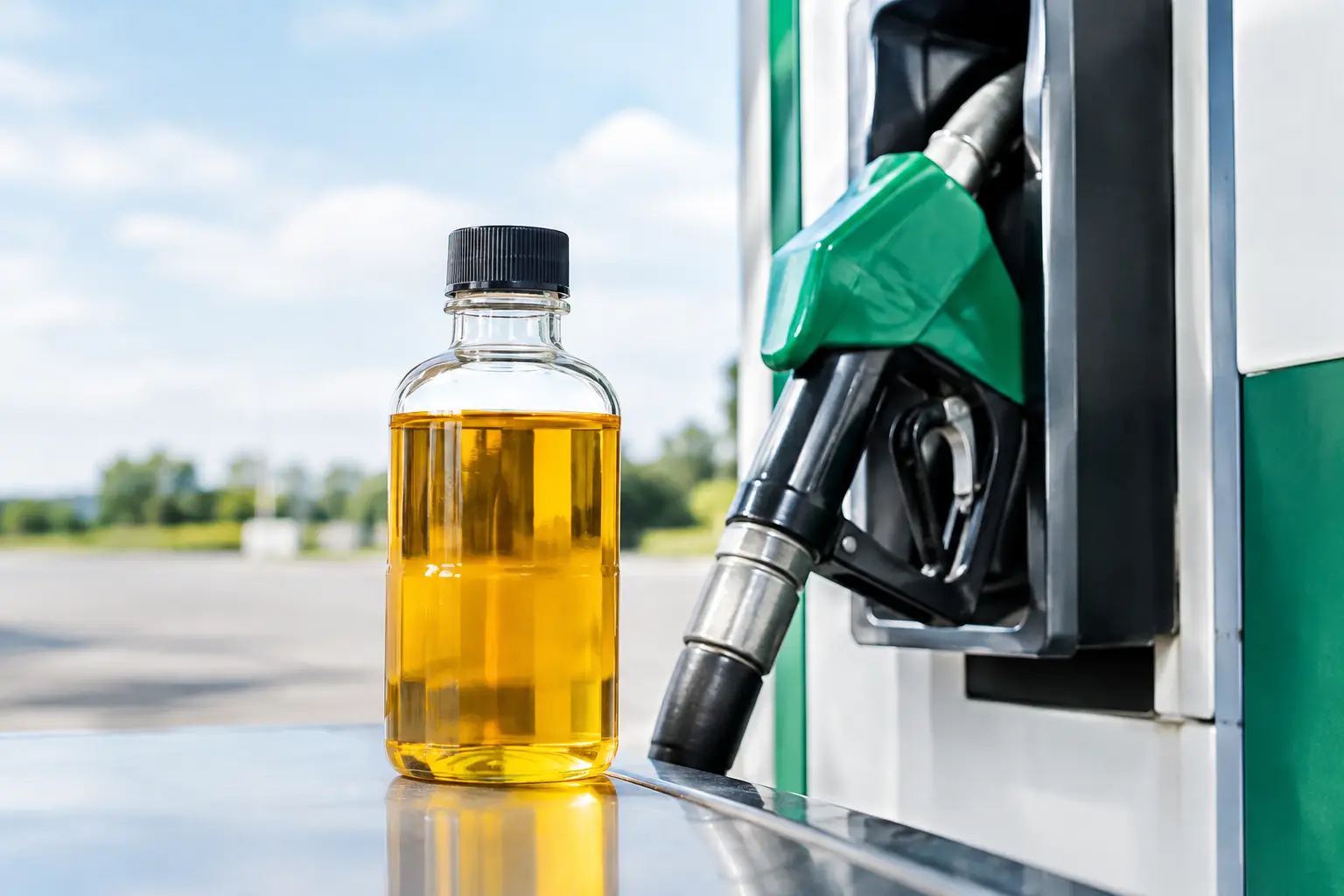
A rough idle after a season of storage, hard starting on a cold morning, or an injector-related service bill can make fuel quality very expensive. Fuel additives are not a substitute for sound maintenance, clean filters, or the right oil, but the right formulation can solve specific fuel-system problems before they become downtime. For drivers, shop owners, fleet managers, and equipment operators, that is where their value lies.
The key is matching the additive to the fuel, engine, operating conditions, and problem you are trying to prevent. A gasoline pickup that sees short trips has different needs than a common-rail diesel working under load, and neither should be treated like a boat, snowmobile, or standby generator that sits for months at a time.
What Fuel Additives Actually Do
Fuel additives are concentrated chemical treatments designed to improve a fuel’s handling, cleanliness, stability, or performance characteristics. They are typically poured into the tank at a specified treat rate, either before fueling or into a partially filled tank, depending on the product instructions.
Their job is practical. A quality additive may keep injectors cleaner, help control fuel-system deposits, improve lubricity in diesel fuel, separate or manage water, stabilize fuel during storage, or improve cold-weather diesel operation. Those benefits can support smoother running, easier starting, cleaner combustion, and fewer fuel-related maintenance interruptions.
What an additive cannot do is repair a worn fuel pump, restore damaged injectors, fix a failed sensor, or compensate for contaminated fuel that has already caused corrosion or microbial growth. When a machine has a mechanical problem, diagnosis comes first. Additives work best as preventive maintenance or as part of a targeted response to a known fuel issue.
Fuel Additives for Gasoline Engines
Modern gasoline engines depend on precise fuel delivery. Direct-injection engines, in particular, operate with tight tolerances and can be sensitive to deposit buildup. Detergent additives help keep injectors and other fuel-system components cleaner, which supports accurate spray patterns and efficient combustion.
For a daily-driven car or light truck, a gasoline treatment is most useful when the vehicle sees stop-and-go driving, frequent short trips, inconsistent fuel quality, or extended intervals between fill-ups. It can also be a sensible preventive step before a long towing trip or after purchasing a used vehicle with an unknown maintenance history.
Storage is another common use case. Gasoline begins to degrade over time, and ethanol-blended fuel can create additional storage concerns when equipment sits unused. A fuel stabilizer is especially valuable for motorcycles, ATVs, UTVs, lawn equipment, boats, snowmobiles, and seasonal power equipment. It helps maintain usable fuel characteristics and can reduce the risk of varnish-like deposits that restrict carburetors and small fuel passages.
A stabilizer should be added while the fuel is still fresh. Pouring it into fuel that has already become stale will not turn it back into reliable fuel. Run the treated fuel long enough to circulate it through the system before storage, particularly in carbureted equipment.
Diesel Fuel Additives and Hard-Working Equipment
Diesel applications place different demands on fuel. Heavy-duty pickups, farm equipment, construction machines, delivery fleets, and standby equipment often work under high load, operate through changing seasons, and may sit between jobs. A diesel additive program should focus on the issues that affect uptime: injector cleanliness, lubricity, water control, cold flow, and fuel stability.
Ultra-low-sulfur diesel fuel has changed the operating environment for many fuel systems. Lubricity-focused diesel treatments can help protect components that rely on the fuel for lubrication, while detergents help control deposits that can interfere with injector performance. This is especially relevant for owners who expect consistent response and efficiency from modern high-pressure common-rail systems.
Water is another concern. Condensation in a partially filled tank, poor storage practices, or contaminated bulk fuel can introduce water into diesel. Because water contributes to corrosion and can support microbial contamination, it should be addressed promptly. Use a product designed for the specific condition, drain water separators regularly, and investigate the source rather than repeatedly treating the symptom.
Cold weather changes the equation again. As temperatures fall, wax in diesel fuel can crystallize and restrict flow through the filter. A properly selected anti-gel treatment can improve cold-flow performance when used before the fuel reaches its cloud point. Waiting until the truck will not start is usually too late. For fleets and contractors, treating fuel ahead of a cold snap is cheaper than sending equipment out for recovery.
Choose the Additive for the Job
The term fuel additive covers several different products, so a one-bottle-for-everything approach is rarely the best value. Start with the operating condition and read the label for compatibility with your fuel type and equipment. Four categories cover most real-world needs:
- Fuel-system cleaners use detergents to control deposits in gasoline or diesel injectors and related components.
- Fuel stabilizers protect gasoline or diesel that will remain in storage for weeks or months.
- Diesel lubricity and performance treatments support injector cleanliness, lubricity, and everyday operation in diesel equipment.
- Cold-flow and water-control treatments address winter operability or moisture concerns in diesel fuel systems.
Treat rate matters. More additive is not automatically better, and overdosing can waste product without producing better results. Commercial operators should calculate treatment based on actual tank capacity and keep the dosing process consistent across vehicles or bulk tanks. That discipline makes costs predictable and prevents missed treatments during seasonal transitions.
It also pays to avoid stacking products with overlapping purposes unless the manufacturer specifically approves it. Combining multiple additives may duplicate ingredients, complicate troubleshooting, and make it harder to determine what is actually delivering results.
When an Additive Makes Financial Sense
Fuel additives earn their place when they protect a component that is costly to service or keep equipment working when downtime has real consequences. A treatment that costs a few dollars per tank can be reasonable insurance for a diesel truck that pulls equipment, a commercial mower that must run through peak season, or a fleet vehicle that cannot miss a route.
The calculation is less compelling when an additive is used out of habit without a defined purpose. If a vehicle is driven regularly, fueled from a reliable source, and has no known deposit, storage, water, or cold-weather issue, an aggressive treatment schedule may not provide a measurable return. Good fuel, routine filter service, correct oil, and timely maintenance remain the foundation.
For business accounts, the strongest approach is often a written seasonal plan. Specify what gets treated, when it gets treated, who is responsible, and how usage is recorded. For example, winter diesel treatment can be scheduled by temperature range, while stabilizer can be assigned to every machine entering off-season storage. This turns additive use from a last-minute purchase into a controlled maintenance practice.
Common Mistakes That Cost More Than They Save
The most frequent mistake is using an additive to delay needed repairs. If a truck has low rail pressure, a failing lift pump, a plugged filter, or injector fault codes, a bottle treatment may temporarily change how it feels but will not correct the cause. Continuing to operate it can turn a smaller repair into a larger one.
Another mistake is ignoring the age of the fuel. Stored fuel should be managed before it becomes a problem, not after equipment begins surging or refusing to start. Keep tanks clean, limit unnecessary exposure to moisture, rotate fuel inventory, and use stabilizer during planned storage periods.
Finally, do not overlook product quality. Cheap treatments with vague claims can be a false economy when they are used in expensive fuel systems. Choose products with clear intended applications, straightforward dosing instructions, and a performance purpose that matches the equipment in front of you. AMSOIL fuel treatments are designed around those practical needs, from cleaning and protection to diesel performance and seasonal storage support.
Make Fuel Treatment Part of the Maintenance Plan
Fuel additives work best when they are used with intention. Track recurring issues such as cold starts, injector service, filter plugging, fuel age, and storage cycles. That record helps identify whether a treatment is reducing a genuine operating cost or simply adding another line item to the maintenance budget.
For a personal vehicle, the plan may be as simple as using a cleaner periodically and stabilizing seasonal equipment before storage. For a shop, farm, contractor, or fleet, it may involve bulk fuel procedures, winter treatment schedules, and consistent dosing across the operation. The right choice is the one that protects the fuel system, reduces avoidable service, and keeps your equipment ready when work cannot wait.