How to Prevent Engine Sludge Before It Costs You
A clean engine is not just a cosmetic win when the valve cover comes off. It is a direct advantage in wear control, oil flow, fuel economy, and equipment uptime. Knowing how to prevent engine sludge helps drivers, shop owners, and fleet operators avoid a failure that often starts quietly and ends with restricted oil passages, stuck components, and expensive repairs.
Engine sludge is a thick accumulation of oxidized oil, fuel residue, moisture, soot, and contaminants. It can collect in the oil pan, valve cover, pickup screen, turbo oil lines, and narrow internal passages that keep critical parts lubricated. Once sludge restricts circulation, even a good engine can be put at risk.
Why Engine Sludge Forms
Motor oil works in a demanding environment. It is exposed to heat, combustion byproducts, moisture, and mechanical shear every time the engine runs. Quality oil is designed to suspend contaminants and resist breakdown, but it has limits. When the oil is wrong for the application, used beyond its practical service life, or subjected to severe conditions without adjusted maintenance, deposits can gain ground.
Short-trip driving is one of the most common contributors. On a five- or ten-minute commute, an engine may not reach operating temperature long enough to evaporate water and fuel dilution from the crankcase. That moisture mixes with contaminants and accelerates deposit formation. This is especially common in winter, with vehicles used for errands, and in equipment that idles frequently.
High heat creates a different problem. Towing, hauling, racing, extended idling, stop-and-go delivery routes, turbocharged engines, and heavy-duty work all raise oil temperatures and oxidation stress. Conventional oils can be more prone to volatility and breakdown under extreme heat, while a properly selected full synthetic lubricant offers stronger resistance to oxidation and deposit formation.
Mechanical issues can also produce sludge faster than any oil change schedule can prevent it. A failed PCV valve, leaking injector, coolant intrusion, overheating event, or excessive blow-by can contaminate the oil quickly. If a vehicle has chronic sludge despite regular maintenance, the root cause needs to be diagnosed rather than covered up with another oil change.
How to Prevent Engine Sludge With Better Oil Choices
The oil label matters, but the correct viscosity alone is not the full answer. Start with the viscosity grade, performance specification, and approvals required by the engine manufacturer. Modern gasoline direct-injection, turbocharged, diesel, European, and heavy-duty engines can have very different needs. Using an oil that does not meet the required specification may compromise deposit control, wear protection, emissions-system compatibility, or warranty requirements.
For engines that work hard or run in severe temperatures, premium synthetic oil is often a practical upgrade. Synthetic base stocks and advanced additive systems are formulated to resist thermal breakdown, control volatility, and keep contaminants suspended longer than many conventional alternatives. That does not mean every synthetic oil supports unlimited drain intervals. The right interval still depends on the engine, duty cycle, oil capacity, fuel quality, operating environment, and manufacturer guidance.
A high-quality oil with strong detergency helps keep internal surfaces cleaner as it circulates. Detergents neutralize acids and help prevent deposits from adhering, while dispersants hold fine contaminants in suspension until the filter captures them or the oil is drained. This is preventive maintenance, not magic. Oil cannot correct a clogged pickup screen, a coolant leak, or years of neglected service.
AMSOIL synthetic lubricants are built for demanding service where heat, load, idle time, and extended operating hours place extra pressure on engine oil. For contractors, fleets, and performance-minded owners, selecting a formulation designed for the equipment and its real-world workload is a smarter move than treating every engine like a lightly driven commuter car.
Follow an Oil Change Interval That Matches the Work
The fastest way to create sludge is to treat severe service like normal service. Manufacturer maintenance schedules often include separate recommendations for severe operation, and that classification applies more often than many operators realize.
Severe service can include frequent short trips, dusty roads, heavy towing, long idle periods, repeated cold starts, extreme heat or cold, commercial delivery operation, off-road use, and sustained high-speed or high-RPM driving. A diesel pickup pulling equipment every week has different oil demands than the same truck used for occasional highway commuting. A landscape crew’s zero-turn mower, a farm tractor, and a side-by-side used in mud and dust also need schedules based on hours and conditions, not just the calendar.
Do not extend drain intervals because the oil still looks clean on the dipstick. Color is not a reliable measure of remaining service life. Diesel oil, in particular, can darken quickly as it handles soot. Follow the manufacturer recommendation, adjust for severe use, and consider oil analysis for fleets or high-value equipment. Used oil analysis can identify fuel dilution, coolant contamination, elevated wear metals, soot, and viscosity changes before they become major repair events.
For a fleet, consistency is a major advantage. Record service dates, mileage or hours, oil type, filter changes, makeup oil, and analysis results. That discipline makes it easier to spot a truck or machine that is consuming oil, running hot, or contaminating the crankcase ahead of schedule.
Do Not Overlook the Filter
The oil filter is part of the sludge-control system. It captures particles that would otherwise circulate through bearings, valvetrain components, and narrow oil passages. A low-quality filter, incorrect application, damaged gasket, or filter left in service too long can undermine the protection provided by premium oil.
Use a filter designed for the engine and service interval. For extended-drain applications or demanding conditions, choose a premium filter with sufficient capacity, efficient media, and construction that can handle operating pressure and temperature. Replace the filter at the recommended interval, and inspect the old filter when practical. A collapsed element, heavy debris, or unusual metallic material deserves attention.
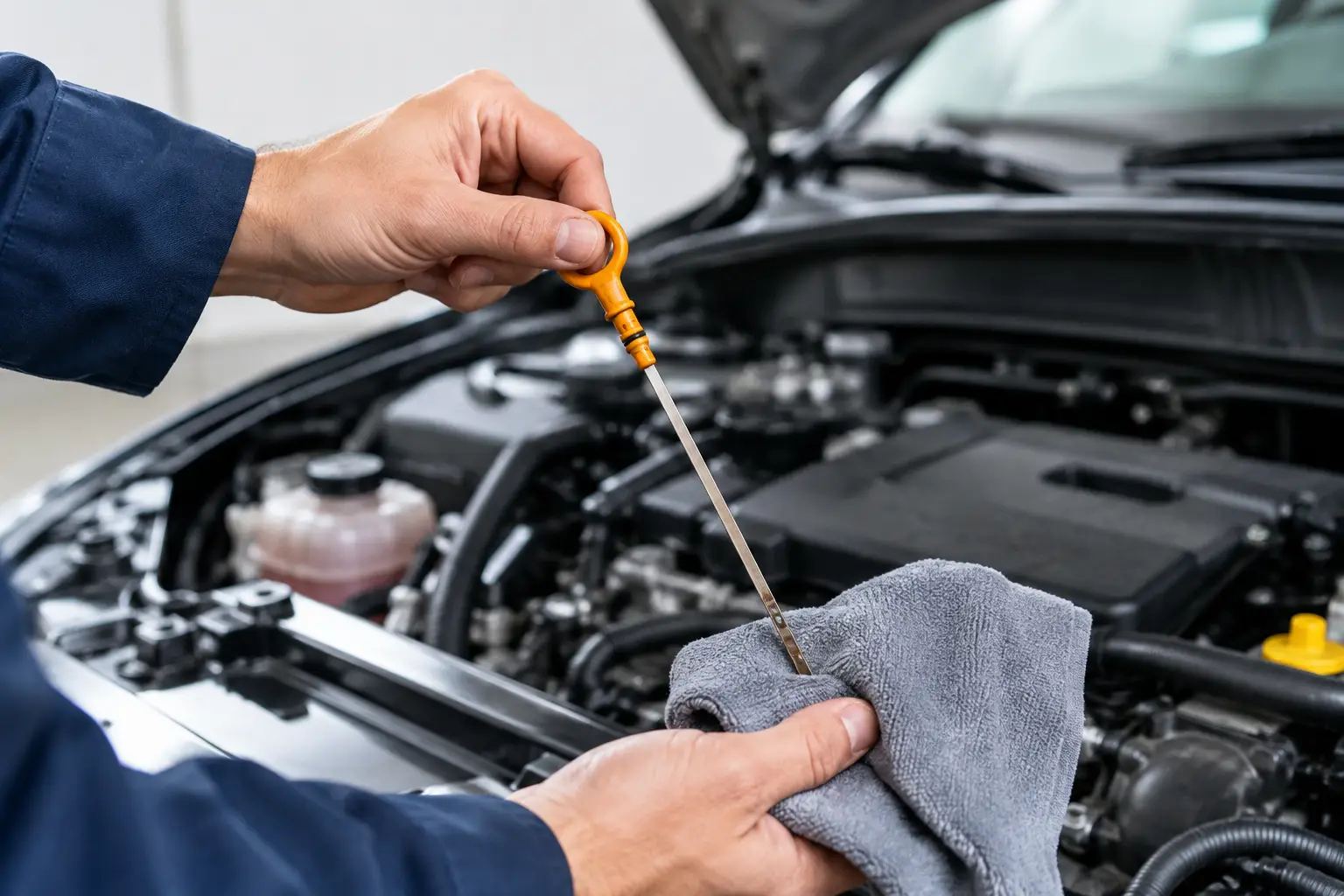
Also verify the oil level between services. Running low reduces the amount of oil available to absorb heat and contaminants, which accelerates oxidation. Overfilling is not harmless either. Excess oil can aerate as the crankshaft contacts it, reducing lubrication quality and increasing heat.
Keep Moisture, Fuel, and Dirt Out of the Crankcase
Oil maintenance works best alongside basic engine maintenance. A neglected air filter can allow abrasive dirt into the intake system. Poor combustion, injector problems, and repeated failed regenerations in diesel applications can increase fuel dilution. A cooling-system leak can introduce coolant into the oil, creating a thick, destructive mixture that requires immediate attention.
Pay attention to warning signs: a rising oil level, milky residue, unexplained coolant loss, overheating, hard starts, fuel smell on the dipstick, or a sudden increase in oil consumption. These are not issues to postpone until the next scheduled service. The longer contaminated oil remains in circulation, the greater the chance of sludge, corrosion, bearing damage, and restricted oil flow.
The PCV system also deserves routine inspection. Its job is to remove blow-by gases and moisture from the crankcase. When it plugs or fails, contaminants remain trapped in the oil longer, which encourages deposits. Replacing an inexpensive PCV valve or hose at the right time can prevent a much larger maintenance problem.
Be Careful When Cleaning a Sludged Engine
If sludge is already present, avoid aggressive shortcuts. Strong solvent flushes can loosen large deposits quickly, and those deposits may block the oil pickup screen or migrate into sensitive passages. The risk is highest in severely neglected engines with visible heavy buildup.
For mild deposits, a controlled maintenance approach may be appropriate: correct the underlying issue, install the right oil and filter, use reasonable change intervals, and monitor the engine. For severe sludge, professional inspection may be necessary. A technician may need to remove the valve cover or oil pan, clean the pickup screen, assess oil passages, and verify oil pressure before returning the engine to normal service.
The practical goal is not to chase the longest possible drain interval. It is to keep clean, properly specified oil flowing through the engine under the conditions it actually faces. Build your maintenance schedule around the work, inspect the supporting systems, and act early when oil condition or engine behavior changes. That is how you protect the equipment that keeps your operation moving.