Dirt Bike Oil That Holds Up Under Hard Riding
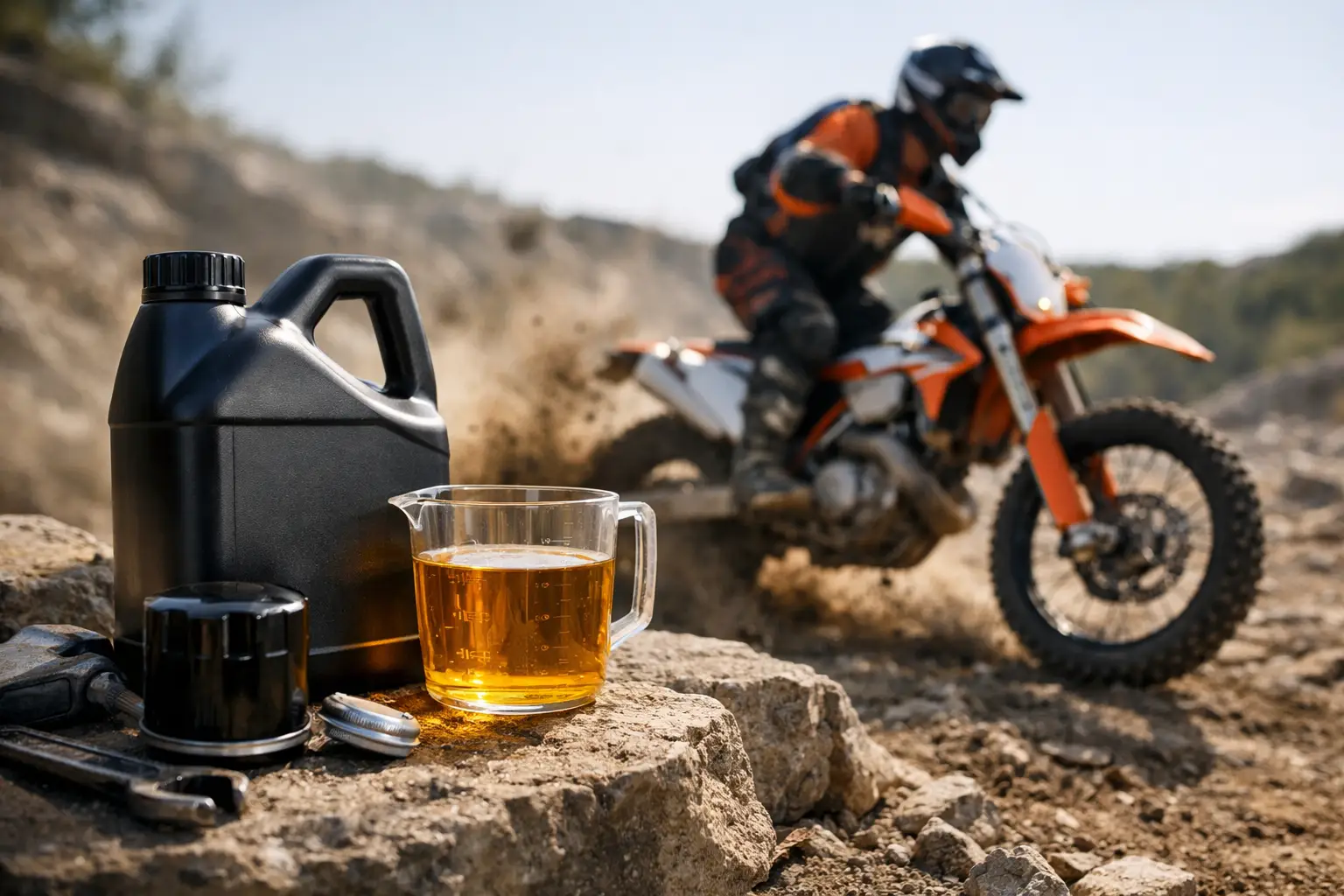
A dirt bike can spend a weekend bouncing off the rev limiter, working through deep sand, idling in a hot staging area, and getting dropped in the mud. That is not easy service. The right dirt bike oil helps control heat, reduce wear, protect gears, and keep a wet clutch working the way it should when the ride gets demanding.
For riders, race teams, repair shops, and powersports operators, oil selection should not be an afterthought. A lower-cost oil that shears down early, allows clutch slip, or leaves deposits behind can turn routine maintenance into shortened engine life and lost riding time. The correct lubricant is a relatively small operating cost compared with a top-end rebuild, transmission repair, or a missed race day.
Dirt Bike Oil Is Not One-Size-Fits-All
The first decision is simple but critical: determine whether the machine is a two-stroke or four-stroke. These engines use oil differently, and using the wrong product can create immediate performance issues or long-term damage.
A two-stroke engine typically uses a dedicated two-stroke oil mixed with fuel or delivered through an oil-injection system. That oil is designed to burn cleanly while lubricating internal engine components. It must control deposits, resist ring sticking, and minimize exhaust-port and power-valve buildup. Four-stroke dirt bikes use crankcase oil, which lubricates the engine and, in many models, also serves the transmission and wet clutch.
That shared-sump design is why four-stroke motorcycle oil has to do more than automotive engine oil. The transmission gears subject the oil to high mechanical shear, while the clutch requires carefully balanced friction performance. An oil can have strong engine protection on paper and still be the wrong choice if it causes clutch chatter, slipping, or inconsistent engagement.
Four-Stroke Oil Must Protect the Engine and Clutch
Most modern four-stroke dirt bikes have a wet clutch. The clutch plates operate in the same lubricant as the engine and gearbox, so friction characteristics matter as much as viscosity. Oils formulated with friction modifiers intended for fuel economy in passenger vehicles may not be appropriate for this application.
Look first at the viscosity and performance requirements in the owner’s manual. Common dirt bike oil grades include 10W-40, 10W-50, 15W-50, and 20W-50, but the right grade depends on the manufacturer’s specification, ambient temperature, engine design, and how the bike is used. A trail bike used in cooler weather may have different needs than a race bike operated at sustained high rpm in summer heat.
A motorcycle-specific oil meeting JASO MA or JASO MA2 requirements is generally the right direction for wet-clutch applications. These standards address clutch friction performance and help reduce the risk of clutch slip. Do not assume that a heavier viscosity automatically offers better protection. If it is outside the manufacturer’s recommendation, it may affect cold starting, oil flow, shifting feel, or overall performance.
Synthetic formulations can offer meaningful benefits in severe off-road service. High-quality synthetic dirt bike oil resists viscosity loss, holds up against heat, and maintains protective film strength under high load. That matters when a rider is repeatedly clutching through tight woods, pulling hard through sand, or making long high-rpm runs.
Two-Stroke Oil Is About Clean Burn and Reliable Lubrication
Two-stroke oil has a different job. It must lubricate components with minimal residue because much of it is consumed during combustion. Poor-quality or incorrect oil can contribute to carbon buildup on pistons, rings, power valves, and exhaust components. Over time, deposits can reduce performance and make maintenance more frequent.
Use an oil designed specifically for the way the bike is lubricated: premix or injection. Then follow the manufacturer’s fuel-to-oil ratio unless there is a well-supported reason to change it for a specific racing application. More oil is not always better. Altering the ratio changes fuel mixture behavior and can affect jetting, combustion, and throttle response.
For riders who put serious hours on two-strokes, clean-burning synthetic two-stroke oil can help keep power valves cleaner and reduce smoke compared with conventional products. The real advantage is not simply a cleaner exhaust note. It is more consistent operation and less deposit-related maintenance over the service life of the engine.
What Hard Riding Does to Oil
Dirt bikes are compact, high-output machines with limited oil capacity. A motorcycle may carry only a fraction of the oil found in a truck or passenger vehicle, yet the lubricant is asked to manage much more concentrated stress. It sees heat from slow technical riding, high rpm from open terrain, clutch debris, gearbox shear, moisture, and airborne contamination.
That is why automotive oil-change habits do not translate well to dirt bikes. Mileage is often less useful than hours, riding conditions, and oil condition. A bike ridden gently on open trails will generally be easier on oil than one raced in motocross, ridden in deep mud, or worked hard in stop-and-go single-track.
Pay attention to shifting feel and clutch behavior. Notchy shifts, increased neutral-finding difficulty, clutch drag, or a clutch that engages differently than normal can indicate that the oil has degraded or that another mechanical issue needs attention. Oil is not a cure for worn clutch plates or transmission damage, but the correct product and service interval can prevent avoidable wear.
Set Oil Change Intervals by Hours and Conditions
The owner’s manual is the starting point, but severe use may justify shorter intervals. Competitive riding, sustained high-rpm operation, hot weather, sandy terrain, and repeated clutch use can all reduce oil life. Shops and riders who service multiple machines benefit from tracking engine hours rather than relying on memory.
A practical maintenance record should include the service date, engine hours, oil type, viscosity, filter replacement, and any observations about drained oil. If the oil looks unusually dark, smells burned, contains visible debris, or the drain plug shows excessive metal, investigate the cause rather than simply refilling and riding. A magnetic drain plug may collect a small amount of fine metallic paste during normal break-in, but larger particles or sharp fragments deserve attention.
Change the filter whenever the manufacturer recommends it, and inspect screens where applicable. Premium oil cannot deliver its full protection if filtration is restricted or if contaminated oil remains in the system. Clean service practices matter too: use a clean drain pan, avoid introducing dirt through the fill opening, and verify the correct fill level after the engine has been run according to the manufacturer’s procedure.
Avoid These Common Oil Selection Mistakes
The most expensive oil mistake is choosing by price alone. A bargain product may be acceptable for light-duty use, but dirt bikes frequently operate in conditions that expose weaknesses in shear stability, oxidation resistance, and clutch compatibility.
Another common mistake is selecting oil based only on viscosity. A 10W-40 label does not tell the entire story. The base oil quality, additive package, wet-clutch suitability, and ability to withstand gearbox stress all influence real-world performance. Two oils with the same viscosity can perform very differently in a high-output four-stroke.
Also avoid extending drain intervals simply because the oil is synthetic. Synthetic oil can provide excellent protection and thermal stability, but it still accumulates contaminants and clutch material. Its service interval should reflect the bike, riding conditions, oil capacity, and manufacturer guidance.
Finally, do not mix product types casually. If changing from one oil to another, use the correct product for the engine and follow normal service procedures. Consistency makes it easier to monitor shifting feel, oil consumption, and maintenance trends across a bike or a fleet of customer machines.
Build a Better Dirt Bike Maintenance Program
For a single rider, the best program may be a quality oil, a fresh filter, and a clear hour-based schedule. For a dealership, repair shop, or race operation, the approach should be more systematic. Stock the correct viscosities for the bikes you service most often, record maintenance by unit, and keep enough supply on hand to prevent rushed substitutions.
Oil Jobber supports riders and businesses that need premium AMSOIL lubrication products with dependable access to technical guidance and volume purchasing options. The goal is straightforward: match the oil to the machine and the workload, then service it before lubrication becomes the weak point.
Your dirt bike is built to work hard. Give it oil that can keep its film strength, protect the clutch and gearbox, and stay on task long after a lesser lubricant starts giving up.