Engine Coolant: What Protects Your Equipment
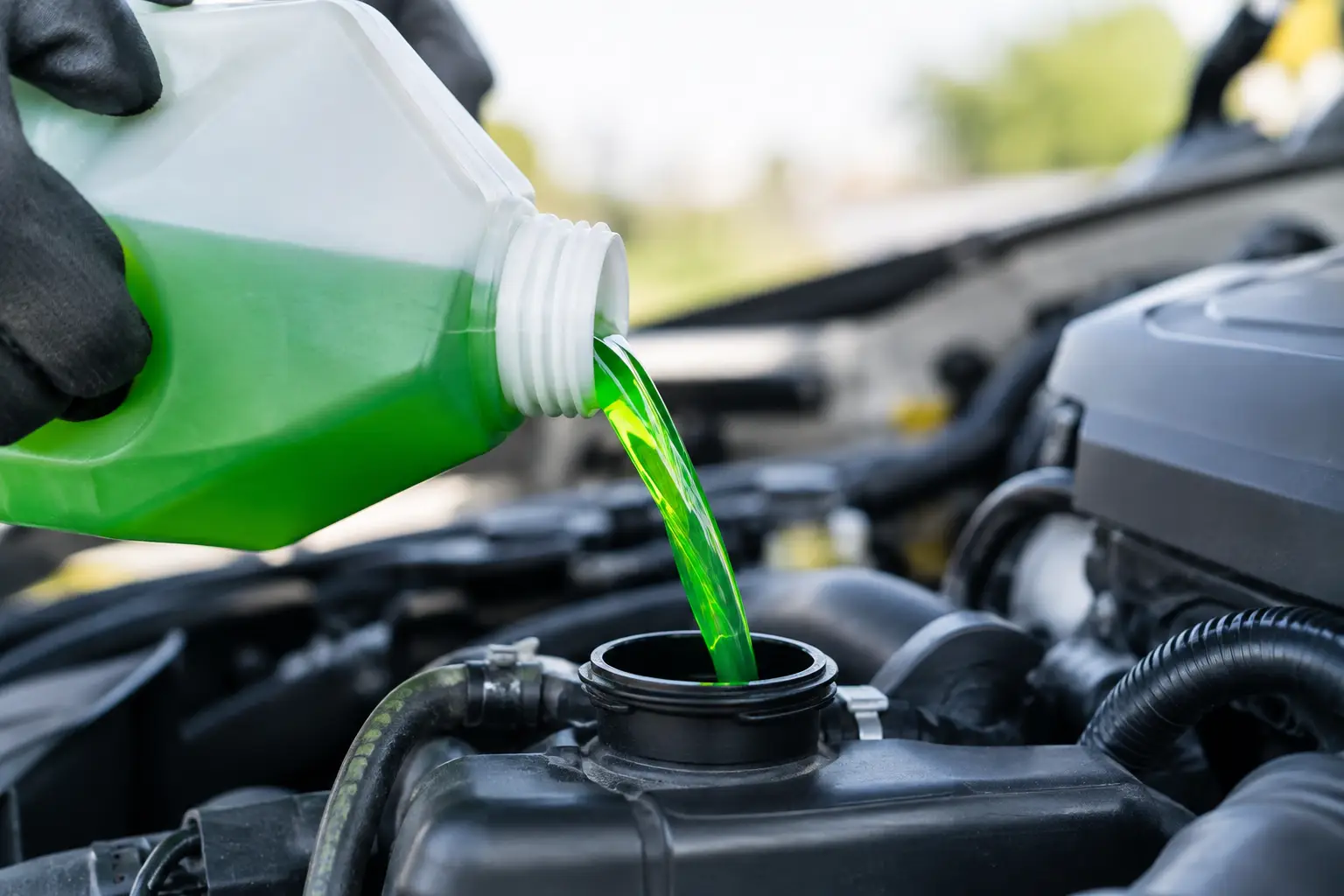
A truck that runs hot under load, a mower that overheats in midsummer, or a fleet vehicle with recurring heater-core failures often has the same overlooked weak point: engine coolant. It is not just colored liquid in a reservoir. The right coolant manages combustion heat, protects metal surfaces, supports water-pump life, and helps keep equipment working when downtime costs real money.
For personal vehicles, the right choice protects a major investment. For shops, contractors, farms, and commercial fleets, it helps control repair frequency, service interruptions, and operating costs. Coolant selection is straightforward once you understand what is in the system, what the manufacturer requires, and why mixing products without verification can create expensive problems.
What Engine Coolant Actually Does
An engine produces far more heat than it can use. The cooling system carries that heat away from the cylinder head, engine block, turbocharger, and other high-temperature components, then releases it through the radiator. Coolant circulates under pressure, allowing the system to operate at temperatures that would quickly boil plain water.
Most engine coolant is built on ethylene glycol or propylene glycol combined with purified water and a carefully balanced additive package. Glycol raises the boiling point and lowers the freezing point. The additives do equally critical work: they protect aluminum, cast iron, steel, copper, brass, solder, seals, and water-pump components from corrosion, cavitation, scale, and deposit formation.
Water transfers heat well, but water alone is not a year-round coolant. It can freeze, boil, corrode metal, and leave mineral deposits. A proper coolant mixture delivers the temperature protection and chemistry needed for a modern cooling system to perform consistently.
Coolant Type Matters More Than Color
Color can be useful for identifying a product in a bottle, but it is not a reliable specification. Green, yellow, orange, red, blue, pink, and purple coolants may use very different inhibitor technologies. Two coolants that look similar can be incompatible, while two that look different may meet the same manufacturer requirement.
The better approach is to identify the coolant specification listed in the owner’s manual, service information, or equipment documentation. Pay attention to the application, model year, engine material, and required approval. This is especially important with late-model gasoline engines, diesel pickups, heavy-duty trucks, European vehicles, powersports equipment, and equipment that operates under long periods of high load.
Common coolant technologies
Conventional inorganic additive technology, often called IAT, was common in older vehicles. It typically uses silicate and phosphate inhibitors and may require shorter service intervals than newer formulations.
Organic acid technology, or OAT, uses different corrosion inhibitors designed for long-life protection. Hybrid organic acid technology, known as HOAT, combines organic acids with select conventional inhibitors. Some heavy-duty diesel applications use extended-life coolant formulations that rely on organic acid inhibitors and may have specific requirements for supplemental additives or system maintenance.
These names are useful, but the label claim and equipment specification should make the final decision. “Universal” does not automatically mean suitable for every system or every warranty requirement. A coolant must be compatible with the vehicle or equipment manufacturer’s stated chemistry and performance standard.
Why the Wrong Coolant Creates Expensive Repairs
Cooling-system damage is rarely dramatic at first. It often starts with gradual corrosion, restricted radiator passages, weakened hose connections, water-pump seal wear, or deposits inside the heater core. Then the symptoms arrive: higher operating temperatures, poor heater output, coolant loss, recurring check-engine lights, or a vehicle that runs hot only while towing or climbing.
Mixing incompatible engine coolant can reduce corrosion protection and shorten the fluid’s intended service life. In some cases, the inhibitor packages can react or fall out of suspension, creating gel-like contamination or abrasive deposits. That contamination can restrict flow through small passages, including heater cores, EGR coolers, and radiator tubes.
The risk is higher in systems with aluminum components, high underhood temperatures, or severe duty cycles. Modern engines are designed around tight thermal margins. A cooling system that is only partially protected may still appear normal in light use, then struggle when the truck is hauling, the machine is working all day, or the weather turns extreme.
Premixed vs. Concentrate: Choose for the Job
Premixed coolant is typically prepared at a 50/50 ratio of coolant concentrate and deionized water. It is convenient, reduces mixing errors, and is a practical choice for top-offs and routine service. In much of the United States and Canada, a 50/50 mix provides strong freeze protection and dependable boil-over protection when used in a properly pressurized system.
Concentrate provides more flexibility. It makes sense when a shop needs to prepare a specific blend for severe cold or when servicing multiple systems in volume. But concentrate must be mixed with distilled or deionized water, not hard tap water. Minerals in untreated water can contribute to scale and reduce heat-transfer efficiency over time.
More concentrate is not always better. Excess glycol can actually reduce heat transfer compared with the recommended ratio. Follow the coolant label and equipment manufacturer guidance rather than assuming a stronger mix offers better protection in every condition.
Signs Your Cooling System Needs Attention
Coolant condition should be part of every regular inspection, particularly before towing season, summer work, winter operation, or a long haul. Check the level only when the engine is cool, and inspect the reservoir, radiator cap, hoses, clamps, and visible connections for leaks or dried residue.
A change in color, visible rust, cloudiness, floating debris, oily film, or a burnt smell warrants investigation. So does repeated coolant loss. Adding coolant without finding the leak is not maintenance. It is a temporary measure that can allow a small problem to become a failed hose, damaged water pump, overheated engine, or compromised head gasket.
For fleet and heavy-duty applications, coolant testing can provide useful maintenance data. Test strips, refractometers, and lab analysis can help verify freeze protection, inhibitor condition, contamination, and fluid health. This is especially valuable when equipment runs high hours, carries heavy loads, or operates far from the shop.
A Better Coolant Service Process
When the specified coolant is known and the system is clean, topping off with the exact compatible product is usually appropriate. If the coolant type is unknown, badly degraded, contaminated, or mixed with an incompatible formula, a complete cooling-system service is often the smarter decision.
Start by allowing the engine to cool fully. Drain and flush the system according to the equipment manufacturer’s procedure, including any required block drains or bleed points. Inspect the thermostat, radiator cap, hoses, clamps, and water pump while the system is open. Refill with the correct coolant mixture, remove trapped air, and verify the final level after the engine reaches operating temperature and cools again.
For a business managing several makes and models, standardization can reduce errors, but only within the limits of manufacturer compatibility. Label bulk containers clearly, train technicians to verify specifications, and keep records of coolant type and service date. A few minutes of discipline at the service bay can prevent a costly misfill.
Engine Coolant for Work Trucks and Equipment
Severe service changes the maintenance conversation. A pickup towing daily, a diesel truck idling for extended periods, an agricultural machine operating in dust, or a landscape crew running equipment through peak summer heat places more demand on the cooling system than normal commuting.
In these applications, cooling-system reliability supports productivity. The right coolant should match the equipment requirement while delivering dependable corrosion protection and stable performance across the expected temperature range. It should also fit the maintenance plan. Long-life coolant can reduce service frequency, but it does not eliminate the need for inspections, testing, leak checks, or proper filtration where required.
Oil Jobber helps operators, shops, and fleets source premium maintenance fluids for the applications that cannot afford unnecessary downtime. The right engine coolant is part of that protection plan, alongside quality lubricants, filters, and consistent service practices.
Before the next season, pull the cap only when the system is cold, verify the specification instead of trusting color, and correct small cooling-system issues before they have a chance to put equipment out of service.