
Why Is Transmission Fluid Brown? What It Means
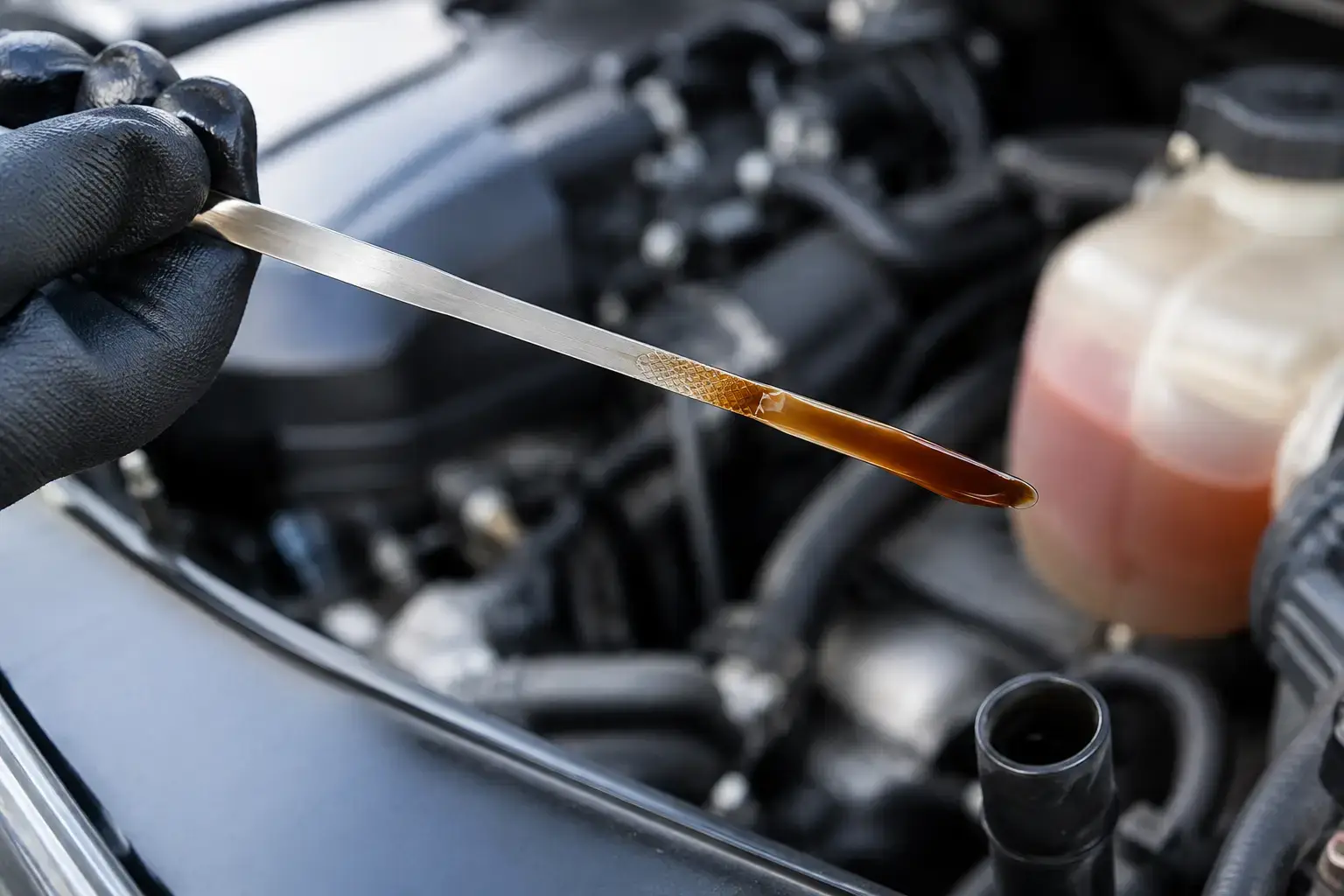
A dipstick showing brown transmission fluid can get an owner’s attention fast, especially when the transmission is responsible for keeping a work truck, daily driver, tow vehicle, or piece of equipment moving. So, why is transmission fluid brown? In many cases, it has aged and oxidized under heat. But brown fluid can also point to clutch wear, neglected service, overheating, or contamination. The color alone does not diagnose a transmission, but it is a clear reason to inspect the fluid’s condition and service history.
Fresh automatic transmission fluid is commonly red, pink, amber, or nearly clear, depending on the formulation. It should look clean and have a mild petroleum odor. As it works through the transmission, it manages hydraulic pressure, lubricates gears and bearings, cools internal components, and helps friction materials engage correctly. That is demanding work, particularly in vehicles that tow, haul, idle for long periods, operate in hot weather, or make frequent short trips.
Why Is Transmission Fluid Brown in the First Place?
The most common cause is oxidation. Transmission fluid is exposed to repeated heat cycles, air, and mechanical stress. Over time, its additive package is depleted and the base fluid begins to darken. A light brown or tea-colored appearance may simply mean the fluid has accumulated miles and hours of service.
The concern rises when the fluid is dark brown, nearly black, opaque, or accompanied by a burnt smell. Severe heat breaks down the fluid faster and can leave varnish on internal passages, valves, and clutch components. That loss of fluid quality can affect shift feel, heat control, and long-term transmission durability.
Color must always be judged in context. Some transmissions use factory-fill fluids that are amber, green, blue, or another color from new. Many CVT fluids do not follow the familiar red-ATF rule. Before making a decision based on color, verify the correct fluid specification for the exact vehicle, transmission, and model year.
What Brown Fluid Can Tell You About Transmission Condition
Brown fluid is a warning sign, not an automatic transmission failure. The severity depends on the shade, odor, texture, service interval, vehicle use, and whether there are drivability symptoms.
Light brown fluid that still looks transparent and does not smell burnt often indicates normal aging. If the transmission shifts properly and the vehicle is approaching its recommended service interval, a fluid and filter service may be the right preventive move.
Dark brown fluid with a sharp burnt odor deserves faster attention. That combination often means the fluid has seen excessive temperatures. Towing beyond the vehicle’s capacity, hauling heavy loads, operating in stop-and-go traffic, poor cooling performance, low fluid level, or aggressive use can all raise transmission temperature. Once fluid has been overheated, its ability to protect friction surfaces and control hydraulic circuits declines.
Brown fluid that looks cloudy or milky points to a different issue: moisture or coolant contamination. Water can enter through a failed cooler, damaged seal, poor storage practices, or flood exposure. Coolant contamination can occur if an internal transmission cooler in the radiator fails. This condition requires professional diagnosis because contaminated fluid can damage bearings, clutch packs, and internal metal surfaces quickly.
Burnt Fluid, Debris, and Other Red Flags
Checking color is useful, but a complete inspection should go beyond the dipstick. On applicable transmissions, wipe a small sample of fluid onto a clean white towel or paper. Look at it in good light and pay attention to its smell and consistency.
A small amount of fine gray material may be normal wear material, especially during a properly scheduled pan service. Large metal flakes, glitter-like particles, chunks of friction material, or heavy sludge are not normal. They may indicate internal wear that a fluid change alone cannot correct.
Watch for operating symptoms as well. Delayed engagement when shifting from Park into Drive, slipping under load, harsh or erratic shifts, shuddering, transmission overheating messages, whining noises, or a check-engine light all warrant a closer inspection. If brown fluid appears with any of these symptoms, avoid putting the vehicle under heavy load until the issue is identified.
Do not assume adding fluid will solve a transmission problem. Low fluid can cause poor shifting and overheating, but overfilling can aerate the fluid and create pressure problems. Check the level according to the manufacturer’s procedure, including the specified fluid temperature and gear-selection steps. Many newer vehicles have no traditional dipstick and require a scan tool or precise fill procedure.
Heat Is Usually the Root Cause
Transmission fluid does more than lubricate. It transfers hydraulic force, carries away heat, and provides carefully controlled friction characteristics for clutches and torque converters. Heat is the enemy of all of those jobs.
A transmission that regularly runs hot can turn clean fluid brown much sooner than expected. Heavy towing is a common example. A pickup may handle a trailer occasionally without issue, yet experience much harder service when it tows through mountains, works in summer heat, or spends hours at low road speeds. Commercial vans, plow trucks, landscaping rigs, and vehicles used for delivery routes face similar stress.
Cooling system condition matters here. A restricted transmission cooler, dirty cooler lines, radiator problems, cooling fan issues, or airflow blocked by debris can contribute to elevated operating temperature. Correcting the heat source is just as important as replacing degraded fluid. Otherwise, fresh fluid may darken again prematurely.
Should You Change Brown Transmission Fluid?
Usually, brown fluid is a strong reason to review the service schedule and inspect the transmission. Whether you should perform a drain-and-fill, replace the filter, or pursue diagnosis first depends on what the fluid looks and smells like and how the transmission behaves.
For a normally operating transmission with moderately aged fluid, a proper service using the correct specification is a practical maintenance decision. A pan drop and filter replacement, where serviceable, can also reveal useful information about internal wear. Follow the vehicle manufacturer’s required procedure and use fluid designed for that exact application.
For a transmission with black, burnt fluid and significant slipping or harsh shifting, start with diagnosis. New fluid cannot restore worn clutch material, repair damaged valves, or correct a mechanical failure. A shop may need to inspect fault codes, line pressure, pan debris, cooler flow, and the transmission’s overall operating condition before recommending service.
Be cautious with one-size-fits-all advice about flushing. A fluid exchange can be appropriate in some maintenance situations, but it is not automatically the best solution for every high-mileage or poorly maintained transmission. The right approach depends on the transmission design, service history, contamination level, and manufacturer recommendations.
Use the Right Fluid, Not Just Any Red Fluid
Automatic transmission fluids are not interchangeable. Modern transmissions may require specific friction modifiers, viscosity characteristics, anti-shudder performance, and additive chemistry. Using an incorrect fluid can cause shift quality problems, clutch damage, or warranty concerns.
This is especially critical for CVTs, dual-clutch transmissions, heavy-duty automatics, and newer electronically controlled units. A CVT requires dedicated CVT fluid, not conventional ATF. Many trucks and commercial vehicles also have application-specific fluid requirements based on transmission model and duty cycle.
Premium synthetic transmission fluids can provide stronger oxidation resistance and thermal stability in demanding applications when they meet the required specification. For fleet operators and owners who tow or work their vehicles hard, that added protection can support longer fluid life and more consistent performance. The fluid still needs to be changed on an appropriate schedule, particularly when the vehicle operates under severe conditions.
How to Prevent Transmission Fluid From Turning Brown Too Soon
Prevention comes down to controlling heat, maintaining the correct fluid level, and servicing the transmission before the fluid is severely degraded. Use the manufacturer’s normal or severe-service interval based on how the vehicle is actually used, not simply the most optimistic mileage figure on a maintenance chart.
If the vehicle tows, hauls, plows, runs commercial routes, operates off-road, or idles extensively, treat it as severe service. Keep the cooling system in good condition, inspect for leaks, and make sure any auxiliary transmission cooler is clean and unobstructed. A temperature gauge or scan-tool reading can be valuable for heavy-duty use because it helps identify overheating before the fluid is damaged.
When it is time for service, match the fluid precisely to the transmission requirement and use quality filtration where applicable. Oil Jobber can help owners, installers, and fleet operators identify premium AMSOIL transmission fluid options for qualifying applications, so they can protect equipment without compromising on fluid performance.
Brown transmission fluid is not something to ignore, but it does not always mean the transmission is finished. Check the fluid’s color, odor, level, and service history, then respond early. A timely inspection and the right fluid service can be far less expensive than the downtime and repair bill that follow a neglected transmission.