High Mileage Oil Review: Worth the Cost?
A 150,000-mile pickup that still starts cleanly, holds good oil pressure, and does not leave spots on the driveway does not need a miracle in a bottle. It needs the right oil, changed on schedule. This high mileage oil review looks at where high-mileage formulas earn their higher price, where expectations need to stay realistic, and why a premium synthetic can be a practical maintenance decision for vehicles you plan to keep working.
High-mileage oil is not only for engines that burn oil. It is formulated for the conditions that become more common as miles accumulate: aging seals, deposits, oxidation, elevated operating temperatures, and wear that may be gradual enough to miss until it becomes expensive. For a daily driver, work truck, fleet unit, or seasonal machine, better lubrication can help protect the service life still left in the equipment.
What High-Mileage Oil Is Designed to Do
A high-mileage motor oil is generally intended for engines with 75,000 miles or more, though mileage alone should not dictate the choice. A well-maintained engine at 180,000 miles can be a better candidate than a neglected engine at 60,000. Operating history matters. Short trips, heavy towing, hot idling, dust exposure, extended drains, and cold-weather starts all affect what the oil must handle.
The difference is in the formulation. Quality high-mileage oils commonly use seal-conditioning chemistry to help aging elastomer seals retain flexibility. They also rely on detergents and dispersants to manage deposits and keep contaminants suspended until the filter captures them or the oil is drained. A strong anti-wear package and oxidation resistance matter because older engines may have wider clearances, more blow-by, and more heat exposure than they did when new.
That does not mean the oil rebuilds worn parts. It will not repair a cracked seal, a scored cylinder wall, a failed PCV valve, or worn valve guides. It can, however, provide better protection against further wear and may help reduce minor seepage or consumption when the cause is age-related seal hardening rather than a mechanical failure.
High Mileage Oil Review: Where Synthetic Makes a Difference
Conventional high-mileage oil can be a reasonable choice for light-duty use and shorter change intervals. But for older engines that tow, idle, run in severe heat or cold, or see frequent stop-and-go operation, full synthetic high-mileage oil has clear advantages.
Synthetic base stocks are built for consistency. They can flow more readily at startup, resist thinning under high temperature, and better withstand oxidation over time. Those traits are especially relevant in an engine with miles on it. Startup is when much of an engine’s wear occurs, and an older engine may not tolerate weak cold-flow performance or a viscosity loss as well as it once did.
AMSOIL High-Mileage Synthetic Motor Oil is positioned for owners who want more than a basic oil change. Its formulation is designed to support seal conditioning, engine cleanliness, and wear control while delivering the temperature stability expected from a premium synthetic. For owners who rely on a truck for work, keep an older SUV in the family fleet, or maintain equipment that cannot afford avoidable downtime, that extra margin of protection has value.
The cost difference should be viewed against the cost of the equipment. Saving a few dollars on oil is rarely meaningful if the tradeoff is more deposits, increased consumption, or accelerated wear in an engine that still has years of useful service ahead. That said, premium oil only produces value when it is matched to the correct viscosity, specification, and maintenance interval.
What It Can Improve
The most realistic benefits are gradual. Some owners notice less oil consumption between changes, fewer minor seal seeps, smoother cold starts, or a cleaner-looking engine under the valve cover over time. Results vary with the engine’s condition and the prior oil’s quality.
For commercial operators, the benefit may be less visible but more important: consistent protection across vehicles, fewer lubrication-related concerns, and a product choice that supports planned maintenance rather than reactive repairs. A quality synthetic oil does not eliminate maintenance, but it can help make maintenance more predictable.
What It Cannot Fix
If an engine is consuming a quart every few hundred miles, has a visible leak, knocks under load, or shows low compression, start with diagnosis. High-mileage oil may reduce symptoms in some cases, but it should not be used to postpone a repair that affects safety, emissions compliance, or engine durability.
It is also not automatically the right oil for every older vehicle. Some engines require a particular manufacturer approval, low-SAPS formulation, diesel category, or viscosity grade. European vehicles, modern turbocharged gasoline engines, and diesel pickups often have requirements that go beyond the words “high mileage” on the label. The owner’s manual remains the starting point.
Choosing the Right Viscosity for an Older Engine
Many people assume a high-mileage engine should move to a thicker oil. Sometimes that is appropriate. Often it is not.
Use the viscosity grade specified by the equipment manufacturer unless a qualified technician identifies a reason to change. A 5W-30 engine generally needs a 5W-30 oil, not a heavier grade selected by habit. The first number describes low-temperature flow, while the second reflects viscosity at operating temperature. Moving too thick can reduce cold-start flow and may create problems with variable valve timing systems or tight oil passages.
A high-mileage formula in the correct grade is usually the better first move. If consumption, pressure, or noise remains a concern, investigate the underlying condition before experimenting with viscosity. For fleets and shops, standardizing on approved grades also reduces the risk of costly misapplication.
When High-Mileage Oil Is a Smart Purchase
High-mileage synthetic oil makes the most sense when the engine is fundamentally sound and still worth protecting. That includes a maintained daily driver with 100,000-plus miles, a gas pickup used for towing, an older service vehicle, or a seasonal engine that sits long enough for seals and deposits to become concerns.
It is particularly useful when operating conditions are demanding. A contractor’s truck that spends hours idling, a delivery vehicle that makes constant short trips, or a vehicle that sees long highway runs in summer heat asks more from its oil than a lightly used commuter car. In those applications, the stability and cleanliness benefits of premium synthetic lubrication can help protect the asset and support lower long-term operating costs.
For a vehicle near the end of its life, the calculation changes. If the engine has serious mechanical issues or the vehicle will be retired soon, an expensive lubricant may not be the priority. Maintenance dollars should follow the condition and value of the equipment, not simply the odometer.
A Practical Oil Change Strategy
Start by confirming the owner’s manual viscosity and required performance specification. Then inspect the engine for leaks, check the oil level regularly, and document consumption between services. If an engine uses oil, topping off with the same approved product is better than mixing whatever is available in the garage.
Do not stretch drain intervals based only on the fact that the oil is synthetic. Driving pattern, hours, load, fuel dilution risk, and manufacturer requirements still control the schedule. A vehicle that mostly runs short trips may need service sooner than one that covers steady highway miles, even if both use the same oil.
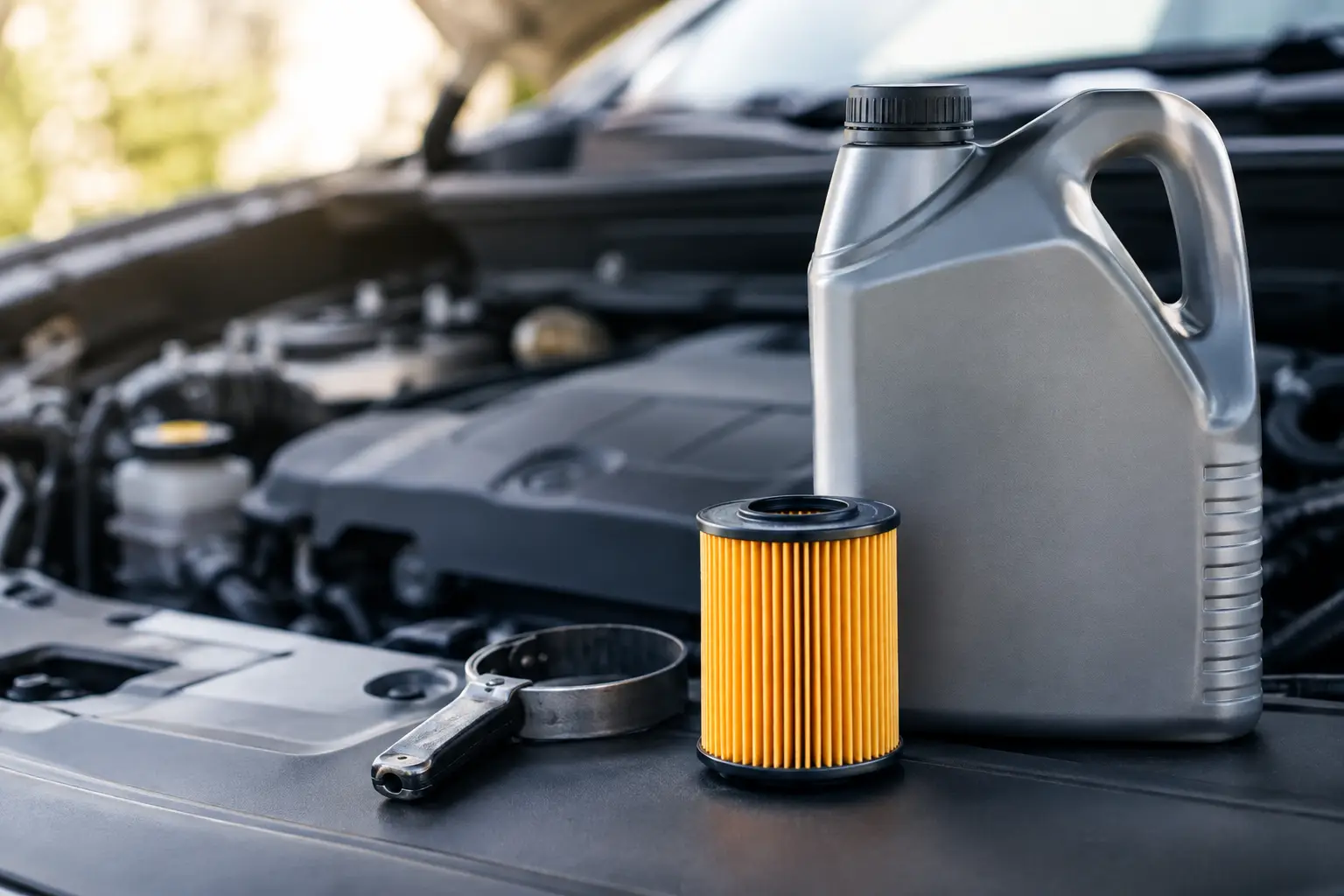
Use a quality filter as well. Oil and filtration work as a system. A premium lubricant cannot deliver its full protection if the filter is poorly matched, bypassing too early, or left in service beyond its capacity. For businesses maintaining multiple vehicles, keeping accurate service records and using consistent products makes it easier to spot changes in consumption or operating condition before they become downtime.
High-mileage oil is best treated as a protection strategy, not a rescue treatment. Choose the approved grade, use a quality filter, monitor the engine, and give a dependable vehicle the lubrication standard its remaining miles deserve.